Table of Contents
In today’s digital world, customers are not only buying products, they are buying experiences. One of the most effective ways to create those experiences is through a strong brand voice.
Brand voice is the unique personality, style, and point of view your brand expresses in all communications. From your website copy and social media captions to customer service emails, your voice shapes how people perceive your business.
In this article, you’ll learn:
- The definition of brand voice.
- Why it matters for long-term success.
- How it differs from brand tone.
- Proven tips (with examples from Rolex, Nike, and Gucci).
- Whether AI tools like Neotype can help build a consistent voice.
What is Brand voice?

Brand voice is the consistent expression of a brand’s personality, values, and point of view through the words it uses across all communication channels.
It’s how a brand “speaks” to its audience, not just what it says, but how it says it. Whether through website copy, social media posts, emails, or advertising, brand voice shapes how customers perceive and connect with a business.
Why brand voice is important?
Brand voice matters because it builds trust, recognition, and emotional connection with your target audience.
In today’s digital landscape, where consumers interact with brands across multiple touchpoints, a unified voice ensures brand coherence and professionalism.
Some reasons why brand voice matters:
- Trust and credibility: A consistent voice reinforces brand reliability.
- Differentiation: It helps you stand out from competitors.
- Emotional connection: It resonates with your target audience and builds loyalty.
- Recognition: It makes your content instantly identifiable across platforms.
What is the difference between brand voice and tone?
Although often used interchangeably, brand voice and tone are not the same.
- Brand Voice: The overarching, consistent personality of the brand. It doesn’t change.
- Tone: The emotional inflection applied to your voice based on context. It can vary depending on the audience, platform, or situation.
Example:
- Voice (Nike): Bold, motivational, empowering.
- Tone:
- Campaign ad → Inspirational.
- Customer service reply → Empathetic.
- Social media meme → Playful.
- Campaign ad → Inspirational.
Think of voice as your DNA. Tone is how you adapt it to specific situations.
For example, a brand might have a voice that is witty and bold, but the tone may shift from enthusiastic (in a product launch) to empathetic (in customer service).
Tips to create a good brand voice
1. Define your brand’s core values
Start by clarifying what your brand stands for. Is it innovation, reliability, empowerment, sustainability? These are your core values—the non-negotiable principles that guide every decision, from marketing campaigns to customer service interactions.
2. Know your audience deeply
Research your target audience’s demographics, psychographics, needs, and communication styles. Speak their language to create genuine connection.
Demographics: Start with the basics: age, gender, location, education, and income. While surface-level, these details often influence communication preferences.
Example: Luxury buyers often prefer refined, formal tones.
Example: Gen Z audiences lean toward humor, memes, and authenticity.
Psychographics
Go beyond “who they are” to “what they believe.” What are their values, motivations, and lifestyle choices?
- A brand targeting eco-conscious millennials should adopt an authentic, activist-driven voice.
- A brand selling financial services to executives may need a tone of authority and trustworthiness.
Behavioral data
Look at customer interactions:
What words do they use in reviews or social comments?
How do they describe your product in their own language?
Which content formats do they engage with most?
Social listening
Monitor online communities, hashtags, and competitor mentions. Tools like Sprout Social or Brandwatch reveal the type of language your audience uses daily.
Direct feedback
Run surveys, polls, and interviews. Ask questions like:
How would you describe our brand in three words?
What tone of communication feels natural to you?
3. Audit your current messaging
Review your current content across all platforms. Look for patterns in language, tone, and messaging. Identify what aligns (or conflicts) with your desired voice.
4. Document voice guidelines
Select adjectives that describe your voice, e.g., confident, empathetic, quirky, professional. Provide clear definitions and examples of what each one looks and doesn’t look like.
A brand voice guide should include:
- Personality traits (e.g., bold, authoritative, witty).
- Vocabulary do’s and don’ts.
- Sentence structure preferences (short punchy vs. long descriptive).
Real examples: “say this, not that.”
5. Train your team
Ensure everyone, from marketing to customer service, understands the voice and how to apply it. Regularly review content for consistency. Share examples, run workshops, and give feedback.
6. Test and iterate
Use analytics and customer feedback to measure engagement and perception. Adapt as needed without losing your core identity.
Examples of brand voice
Rolex’s brand voice
- Tone: Timeless, prestigious, refined
- Voice Attributes: Elegant, classic, authoritative
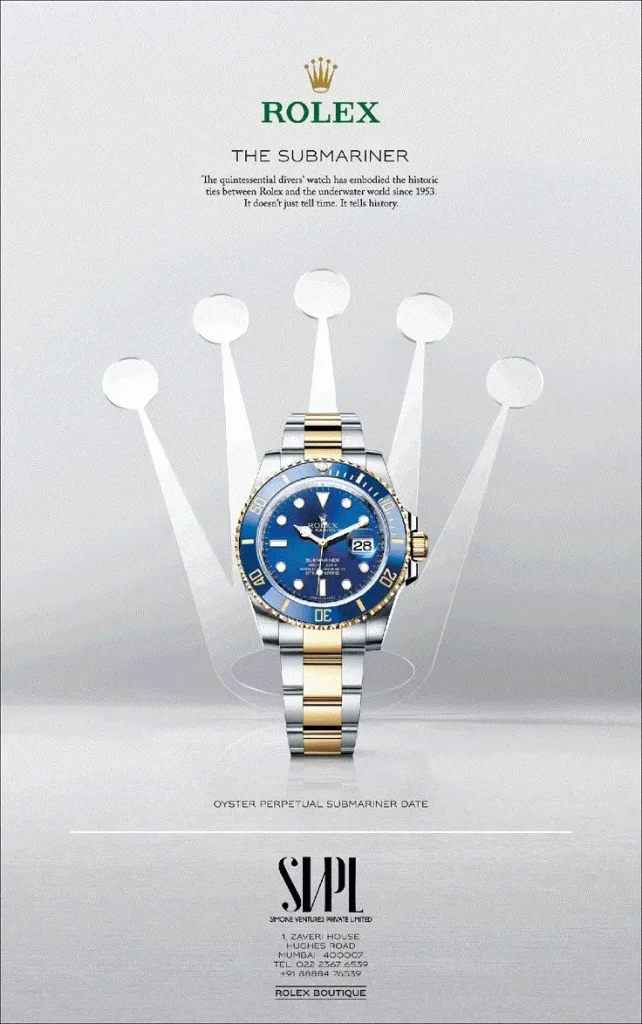
Rolex is not just a watchmaker—it is a symbol of heritage, success, and exclusivity. Its brand voice reflects that prestige through carefully chosen, minimalistic language that feels almost ceremonial. Every phrase evokes trust, craftsmanship, and legacy.
Instead of flashy or exaggerated claims, Rolex communicates with measured confidence. Its copy is short, precise, and formal, reinforcing the idea that quality speaks for itself. Phrases like “A crown for every achievement” encapsulate how the brand connects its watches with life’s milestones.
Why it works: Rolex speaks directly to an audience that values status, tradition, and timelessness. By avoiding trends or slang, the brand maintains its aura of permanence and authority, appealing to luxury buyers who see watches not just as accessories, but as investments and symbols of success.
Nike’s brand voice

- Tone: Motivational, energetic, rebellious
- Voice Attributes: Bold, inspiring, unapologetic
Nike’s voice has always been about action and empowerment. Unlike Rolex, which is rooted in tradition, Nike thrives on movement and disruption. Its tone is unapologetically bold, often pushing cultural and social boundaries while motivating its audience to dream bigger.
The language is short, punchy, and emotionally charged—whether in the iconic “Just Do It” slogan or campaigns tackling inclusivity, equality, and courage. Nike doesn’t just sell sportswear; it sells a mindset that champions perseverance and ambition.
Why it works: Nike’s audience—athletes, creators, and everyday dreamers—want to feel inspired and unstoppable. By using active verbs, bold statements, and rebellious undertones, Nike ensures that its voice resonates across generations, becoming both a sports brand and a cultural movement.
Gucci’s brand voice

- Tone: Avant-garde, luxurious, provocative
- Voice Attributes: Daring, exclusive, artistic
Gucci occupies a unique space in the luxury fashion industry: it thrives on reinvention and boundary-pushing creativity. Its voice is unapologetically provocative, blending elegance with artistic experimentation.
Where Rolex uses restraint, Gucci embraces expressive and unconventional language. Campaigns often merge high fashion with cultural commentary, creating a voice that is as much about art and individuality as it is about clothing. Words are chosen to spark curiosity, emotion, and sometimes controversy—making the brand stand out in a competitive luxury market.
Why it works: Gucci’s audience expects more than fashion; they want self-expression and cultural edge. By speaking in a voice that is daring and artistic, Gucci attracts consumers who see luxury not only as wealth, but as a canvas for identity and reinvention.
Can AI create a brand voice?
Yes, and not only can it create it, but with the right tools, it can do so with consistency and strategy.
Neotype’s AI Brand Voice Generator is specifically built to create content that reflects your brand’s unique personality. Unlike generic writing tools, Neotype allows you to:
- Input your brand values and preferred tone
- Define language preferences (e.g., formal/informal, simple/complex)
- Generate SEO- and GEO-optimized content that stays on-brand
- Get content tailored for different platforms (web, social, email, etc.)
How to build a consistent brand voice
- Create a brand voice guide
- Use practical examples
- Review regularly
- Leverage AI
- Measure and adjust
FAQs
- Consistency: Is your voice uniform across all channels?
- Clarity: Is your message easy to understand?
- Character: Does your voice reflect your brand’s personality?