Introduction to AI for Small Businesses
In today’s rapidly advancing digital landscape, small businesses have an unprecedented opportunity to harness the transformative power of Artificial Intelligence (AI). Historically operating with constrained resources, smaller enterprises may struggle to keep up with the demands of modern business practices. AI offers a lifeline—providing myriad tools specifically designed to boost productivity and optimize efficiency.
With AI, small businesses can compete with larger corporations, leveraging technology to streamline operations and enhance customer experiences.
Understanding the Impact of AI on Business Operations
The integration of AI into business operations marks a significant revolution, enabling businesses to automate routine tasks, analyze data with precision, and make informed decisions. AI tools offer invaluable support in areas such as inventory management, marketing strategy, and customer service—transforming traditionally labor-intensive processes into automated systems. Small businesses utilizing AI find themselves better equipped to respond in real-time to market demands and customer needs.
How AI Boosts Productivity in Small Businesses
Productivity boost is among the most recognized ai benefits. AI tools facilitate smarter work environments, seamlessly managing everything from scheduling to sales forecasting. By automating repetitive tasks, businesses can free up their workforce to focus on strategy and creative development, driving meaningful results and sparking innovation within teams.
The Role of AI in Digital Transformation
Digital transformation is no longer optional; it’s imperative for success in today’s economy. Small businesses transitioning to digital platforms can harness AI tools to fast-track this evolution. Through AI, companies can innovate their marketing approaches, harnessing data-driven insights for personalized customer engagement and improved target audience segmentation. This transformation unlocks new opportunities for growth, positioning businesses favorably within their competitive landscape.
The Need for AI Tools in Small Businesses
The deployment of AI tools is rapidly becoming indispensable for small businesses striving for not only survival but thriving amidst competition. By embracing AI, businesses gain strategic advantages that optimize efficiency and resource management. These tools infuse new life into the operational frameworks of small enterprises—enabling a more strategic allocation of resources.
Overcoming Resource Limitations with AI
One of the enduring challenges faced by small businesses is resource limitations. Whether financial constraints or manpower shortages, AI tools unlock potential by automating crucial functions—like payroll processing, inventory tracking, and customer service management. This automation allows teams to focus on activities that require human insight or creativity, thus enhancing overall business agility.
Enhancing Efficiency and Resource Allocation
Effective resource allocation is crucial to the success of any business. AI tools such as predictive analytics or chatbots enable small businesses to allocate their human resources more strategically, forecasting demands and identifying potential bottlenecks before they occur. Enhanced efficiency translates into better operational processes and increased customer satisfaction—leading ultimately to a stronger bottom line.
AI as a Competitive Advantage
To maintain a competitive advantage, small businesses must differentiate themselves in the marketplace. AI tools provide this edge, offering capabilities that allow companies to exceed their competitors’ offerings through superior service and innovative products. Businesses with AI acumen often exhibit enhanced scalability, increased speed in adapting to market changes, and superior customer relationships—all of which bolster their standing in industry arenas.
As we delve deeper into the specific AI tools applicable for small businesses, remember that the future belongs to those who invest in their technological capabilities and strive to unlock their potential. The following sections will highlight five essential AI tools that any small business can benefit from, guiding you through their vast functionalities and practical applications.
5 Essential AI Tools Every Small Business Needs
Zoho
Zoho is a cloud-based suite for small and medium-sized businesses (small businesses) that brings together in one ecosystem tools for sales, marketing, customer support, finance, and internal management.
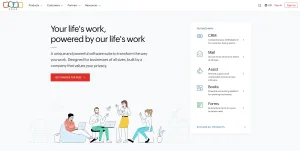
Its main strength today is Zia, Zoho’s built-in artificial intelligence layer, which analyzes business data, predicts outcomes (such as the likelihood of closing a deal), detects anomalies, and generates content (emails, replies, summaries, etc.).
Thanks to this integrated AI, Zoho helps small businesses automate repetitive tasks, make data-driven decisions, and deliver faster, more personalized customer service—without needing an advanced technical team.
Tidio
Tidio is a customer support and live chat platform designed for small businesses that want to offer fast, automated responses without a big support team. It combines live chat, chatbots, and email in a single tool so you can manage all your customer conversations from one place.
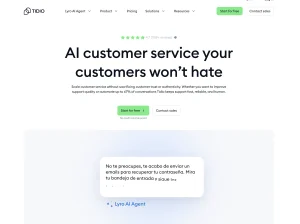
Its AI layer powers chatbots that understand and respond to common questions, help customers find products, answer FAQs, and even assist with basic troubleshooting or order status checks. This allows small businesses to provide 24/7 support, reduce the volume of repetitive queries handled by humans, and improve response times.
For a small business, Tidio’s AI means fewer missed leads, more efficient support, and a more professional customer experience—without needing a full customer service department.
Neotype
Neotype is an AI writing platform specialized in creating SEO-optimized articles for small businesses, with automated publishing and a consistent brand voice. Instead of just generating generic text, Neotype focuses on producing structured content that ranks better in search engines and sounds like your brand, not like a robot.
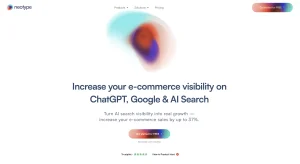
For small businesses, this means you can regularly publish high-quality blog posts and website content without spending hours writing or editing. Neotype helps you scale your content strategy, improve your visibility on Google, and keep a professional, recognizable tone across all your articles—almost on autopilot.
View more: AI SEO Article writer
Otter.ai
Otter.ai is an AI meeting assistant that automatically records, transcribes, and summarizes meetings. It generates action items, key takeaways, and searchable transcripts so you don’t need to take notes manually.
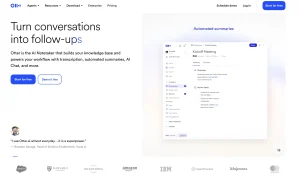
For small businesses, this means saving time in client calls and internal meetings, keeping a clear record of decisions, and making it easier for everyone to catch up without rewatching recordings.
AdCreative.ai
AdCreative.ai is an AI-powered platform that creates conversion-focused ad creatives in seconds: banners, social ads, short videos, ad copy, and even product photoshoots. Its models are optimized to improve click-through and conversion rates, helping small businesses launch better-performing ads on a tight budget.
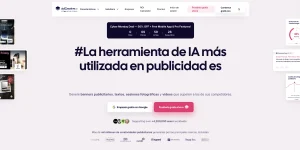
For small businesses, it’s a fast way to produce professional, data-driven ad creatives without hiring a designer or agency every time you launch a new campaign.
Benefits of AI Tools for Business Operations
AI tools have revolutionized business operations by automating tasks and improving decision-making processes. These tools help save time and reduce costs, allowing small businesses to allocate resources more effectively. The transformative capability of AI simplifies workflows, freeing up staff for strategic initiatives while optimizing operational efficiency.
- Automate repetitive tasks in daily operations.
- Improve the quality and speed of decision-making.
- Save time across different departments.
- Reduce operational costs and waste.
- Allow small businesses to allocate resources more effectively.
- Simplify and streamline workflows.
- Free up staff to focus on strategic, high-value initiatives.
- Optimize overall operational efficiency.
How AI Tools Improve Marketing Strategies
AI tools are pivotal in refining marketing strategies and enhancing customer engagement. By analyzing vast amounts of data, AI can discern patterns and insights, leading to more effective targeting and personalization efforts. This proactive approach ensures businesses can attract and retain customers more proficiently, ultimately improving their bottom line.
Automating Content Creation
One of the significant tasks within marketing is content creation, where AI tools shine by automating the process. Tools like GPT-based platforms craft engaging copy, while AI-driven design tools generate compelling visual content. This automation not only saves time but ensures consistency and quality across the marketing materials.
Enhancing Social Media Management
AI tools are transformative in managing social media platforms, automating posts, and identifying optimal engagement times. By leveraging AI analytics, businesses can tailor their communication strategies to resonate with their audience, boosting engagement and expanding reach across various social media channels.
Implementing AI Tools for Productivity Boost
Streamlining Administrative Tasks
AI excels in streamlining administrative tasks that often burden small businesses. Tools such as virtual assistants for appointment scheduling or automated response systems for customer inquiries enhance productivity, allowing teams to focus on innovative and business-critical activities.
Time Management and Scheduling
Effective time management and scheduling are critical for optimizing workflow, where AI tools such as intelligent calendars and predictive scheduling apps prove invaluable. By automating scheduling, businesses can ensure optimal resource utilization and efficient task management, ultimately enhancing productivity and team collaboration.
- Chatbots: Elevate customer service with instantaneous responses.
- Predictive Analytics: Forecast sales trends and market demands with precision.
- Visual Design AI: Create captivating marketing materials effortlessly.
- AI-Powered CRM: Personalize customer interactions and boost satisfaction.
- RPA Tools: Automate routine tasks, freeing up strategic resources.
In conclusion, embracing AI technologies equips small businesses with the necessary tools to thrive in competitive marketplaces. By focusing on these essential AI tools, companies can revolutionize their operations, improve customer experiences, and lead the way in innovation and excellence.